
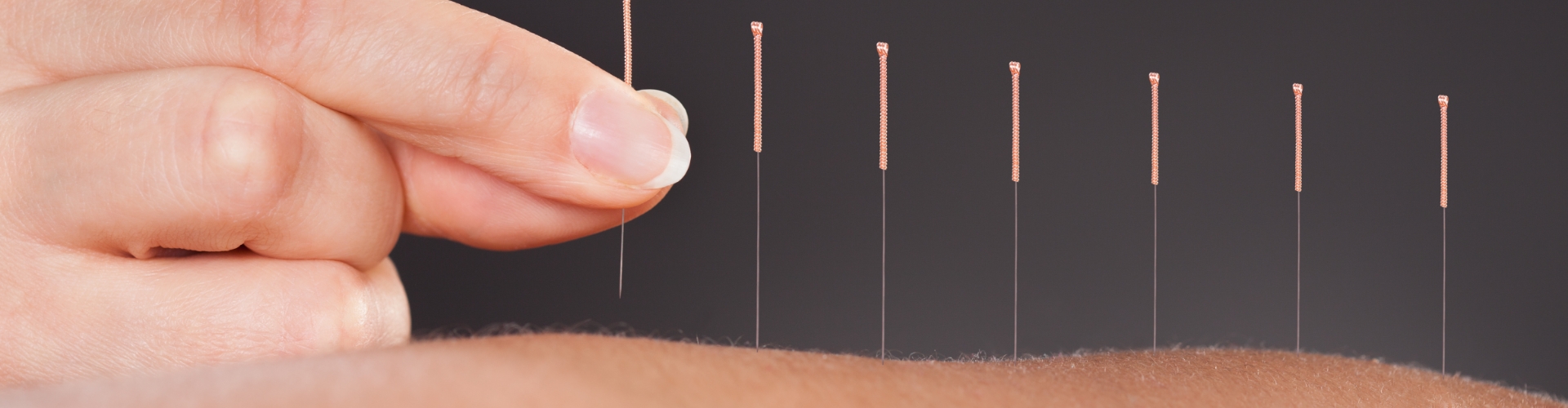












When the Nervous System Stays Stuck in Guard Mode
Pain and tension are not only about injured tissues. The nervous system plays a major role in how the body reacts to stress, movement, and healing. When the nervous system stays overly alert, muscles may remain tight, sensitive areas may feel easily irritated, and recovery can feel slower than expected.
Acupuncture focuses on influencing how the nervous system and tissues respond to stress and stimulation. At Excelsior Physiotherapy, acupuncture in Edmonton, AB and Sherwood Park, AB is used to help the body shift out of a constant protective state so movement, rehabilitation, and daily activity feel more manageable.
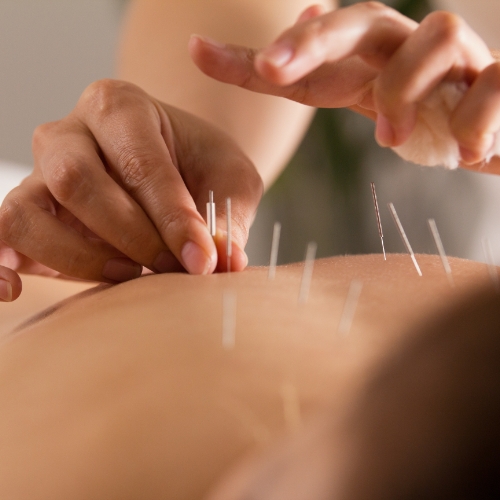
Who Acupuncture Is Most Helpful For
Acupuncture is well suited for people whose symptoms are driven by muscle tension, nerve sensitivity, or stress-related responses rather than structural damage alone. These individuals often describe pain that fluctuates, stiffness that does not fully resolve with movement, or discomfort that increases during periods of stress or fatigue.
Therapists at Excelsior Physiotherapy may recommend acupuncture for people who feel stuck in their recovery, experience persistent muscle guarding, or struggle to tolerate exercise or hands-on therapy. Acupuncture is often used when the body needs help settling before more active rehabilitation can progress.
Situations Where Acupuncture Is Commonly Used
Acupuncture supports a range of evidence-informed clinical presentations.
- Muscle tension that limits comfortable movement
- Neck, shoulder, or back discomfort linked to stress or posture
- Headaches associated with muscle or nerve sensitivity
- Nerve-related symptoms such as tingling or sensitivity
- Overuse discomfort from work or sport
- Pain that persists despite rest or exercise alone
- Difficulty relaxing muscles during recovery
- Heightened pain response with touch or movement
How Acupuncture at Excelsior Physiotherapy Is Applied
Acupuncture works best as part of a coordinated physiotherapy plan rather than as a standalone treatment. At Excelsior Physiotherapy, practitioners use acupuncture intentionally to influence nervous system regulation and tissue response.
- Targeted needle placement stimulates specific points that affect muscle tone, circulation, and nerve signaling, helping reduce excessive guarding.
- Neuromuscular modulation helps calm overactive muscles and reduce protective tension patterns.
- Circulatory support encourages local blood flow, supporting tissue recovery and reducing sensitivity.
- Pain processing regulation influences how the nervous system interprets pain signals, helping decrease reactivity.
- Preparation for movement and exercise helps the body tolerate strengthening and mobility work more effectively.
- Integration with physiotherapy goals ensures acupuncture supports functional progress rather than passive relief.
Treatment selection is guided by assessment findings and response over time. Acupuncture techniques and frequency adjust as the body becomes more responsive to movement and rehabilitation.
Why Acupuncture Can Support Active Recovery
Acupuncture is not used to replace movement-based care. Instead, it helps remove barriers that make movement difficult. When muscles relax and the nervous system settles, people often find it easier to participate in exercise, hands-on therapy, and daily activities.
At Excelsior Physiotherapy, our team helps people move better, feel stronger, and live fuller lives through compassionate, personalized care. Acupuncture fits into this approach by supporting the body’s ability to adapt, recover, and respond to rehabilitation more effectively.
Creating Space for Easier Movement and Healing
If persistent tension, sensitivity, or stress-related discomfort is slowing your progress, acupuncture at Excelsior Physiotherapy offers focused, evidence-informed support. Speak with our team in Edmonton, AB or Sherwood Park, AB to explore whether acupuncture could help your body settle and respond more fully to active care.