













When Hip or Knee Pain Slows Your Everyday Rhythm
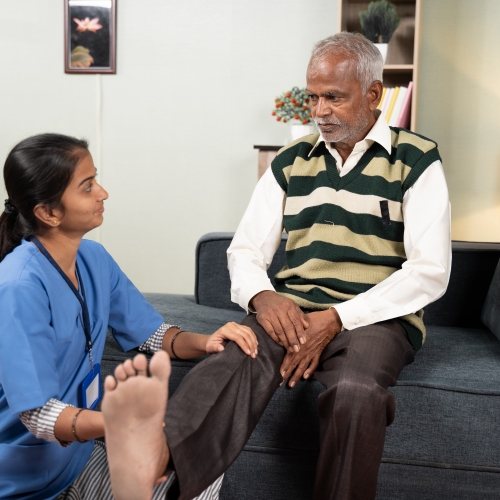
Hip and knee pain can make once familiar movements feel difficult. Walking, standing from a chair, climbing stairs, or getting in and out of a car may require more effort or cause discomfort. Many people notice stiffness after rest, aching during longer days on their feet, or pain that appears during exercise and daily chores. Over time, these challenges can affect confidence and limit participation in activities that matter.
At Excelsior Physiotherapy, we support individuals seeking hip and knee pain relief in Edmonton, AB and Sherwood Park, AB by understanding how symptoms affect daily routines, work demands, and personal goals. Our team works with people connected to the community who want clear guidance and care that fits real life.
Why Addressing Hip and Knee Pain Early Can Help
Hip and knee discomfort often develops from overuse, reduced strength, joint irritation, or changes in activity levels. Prolonged sitting, repetitive movements, altered walking patterns, or previous injuries can place added stress on these joints. When discomfort persists, people may change how they move, which can increase strain elsewhere in the body.
Early care supports healthier movement patterns and helps restore strength, balance, and coordination. Guided care can improve function, support mobility, and help prevent short-term discomfort from becoming a long-term limitation. Understanding contributing factors allows treatment to focus on lasting movement quality rather than temporary relief alone.
Common Signs Your Hip or Knee May Need Support
Noticing patterns can help determine when care may be helpful.
- Pain during walking, standing, or climbing stairs
- Stiffness in the hip or knee after rest or long periods of sitting
- Discomfort when squatting, bending, or rising from a chair
- A feeling of weakness or instability in the leg
- Reduced range of motion in the hip or knee
- Aching after activity or long days on your feet
- Difficulty keeping up with work, exercise, or daily routines
How Our Team Coordinates Care for Hip and Knee Recovery
Care at Excelsior Physiotherapy reflects collaboration across disciplines. Physiotherapy providers assess joint movement, muscle strength, and walking patterns to guide targeted care. Acupuncture practitioners may help support comfort in irritated tissues. Psychological support is available for individuals who feel stress or frustration affects recovery. Our client care team helps ensure visits feel organized and supportive from start to finish.
This coordinated approach allows care to address both physical demands and lifestyle factors. Common treatment approaches for hip and knee pain include the following.
- Manual therapy supports joint movement and reduces stiffness that limits daily activities.
- Targeted strengthening builds muscle support around the hip and knee for steadier movement.
- Movement retraining encourages efficient walking and functional patterns that reduce strain.
- Soft tissue techniques ease muscle tension that contributes to discomfort or imbalance.
- Mobility exercises improve comfortable range of motion in the hip and knee.
- Education and activity guidance helps adjust daily habits and activity levels to support recovery between visits.
Care That Supports Strength, Balance, and Confidence
People often feel more confident when their care team listens carefully and explains each step clearly. At Excelsior Physiotherapy, our multidisciplinary team creates individualized plans that reflect physical needs, lifestyle demands, and the emotional impact of ongoing discomfort. Clear communication and compassionate support help people rebuild trust in how their hips and knees support daily movement.
Take a Step Toward Easier, More Confident Movement
If hip or knee pain is limiting your ability to move comfortably or stay active, our clinicians at Excelsior Physiotherapy are here to help. Contact us today to learn how our Edmonton, AB and Sherwood Park, AB team can support your movement and comfort with a plan tailored to your goals.